Here at Turpentine Creek, we are very familiar with how dangerous wild animals can be. We take care of some of the world’s deadliest predators, and most people understand why you don’t get up close and personal with a tiger or lion. But what about animals that are deceiving?
Bison
Every year people travel to national parks in hopes of seeing amazing wildlife. But sometimes in pursuit of wanting a closer look, people put themselves in a dangerous situation. Bison are sometimes seen as harmless fluffy animals as they’re herbivores, but that doesn’t mean they can’t be deadly. They can run up to 35 mph and weigh about 1,800 lbs. Like any wild animal, they are unpredictable and will defend themselves if they feel threatened. Bison have actually injured more people than any other animal in Yellowstone National Park.
Blue-ringed Octopus
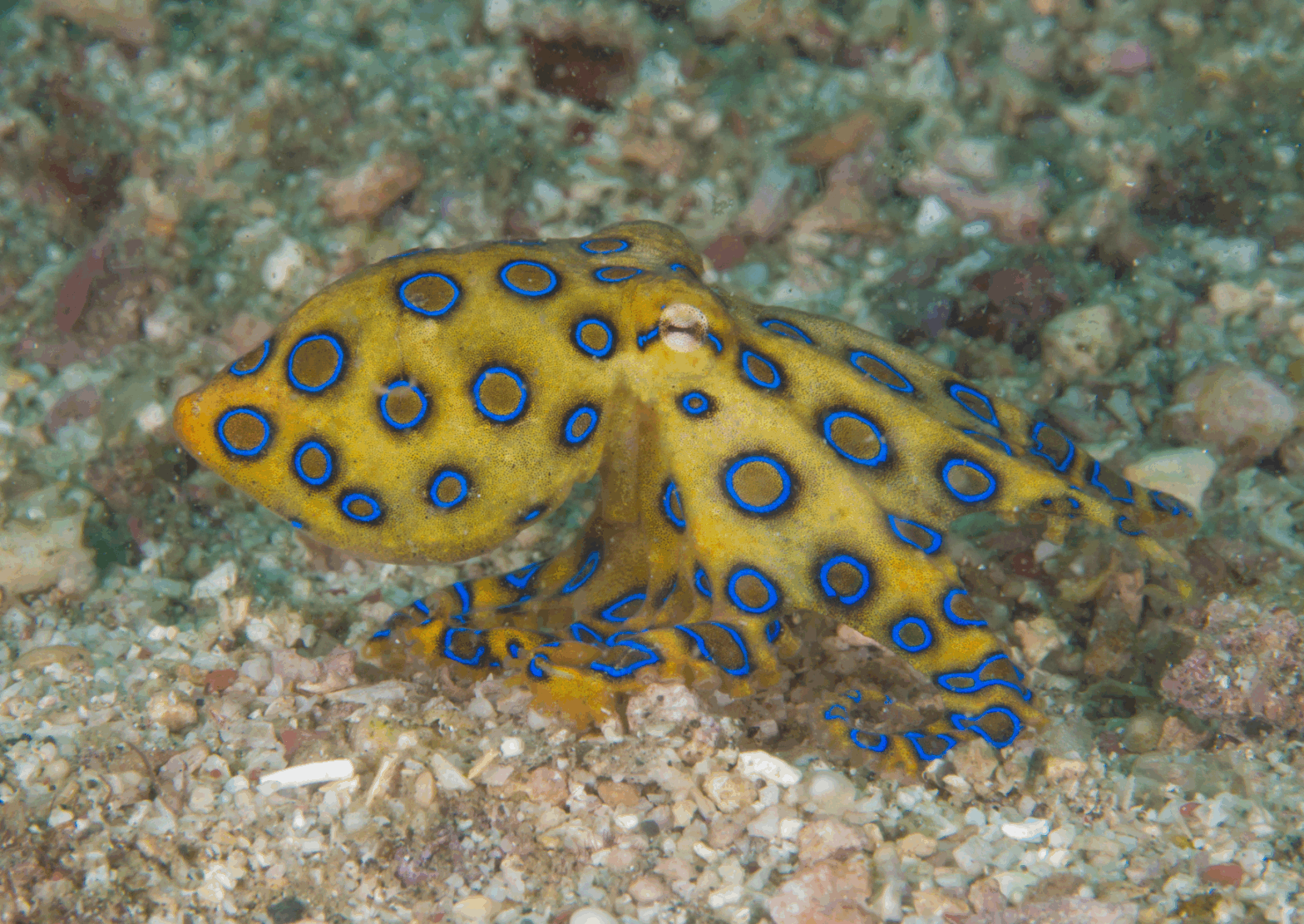
There are videos of people picking up and engaging with a cute little ocean creature that’s seemingly harmless. But they might not realize they’re holding one of the world’s deadliest animals. Blue-ringed octopuses contain a very potent toxin called tetrodotoxin, known to paralyze living things, including humans. This neurotoxin has no antidote and is 1,200 times more toxic than cyanide!
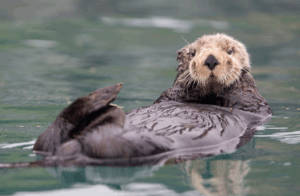
Otters
Otters are indisputably adorable, and appear so cute and cuddly, someone might not ever see them as a threat. But again, like any other wild animal, they can lash out if threatened or scared. Sea otters and river otters both have an incredibly strong bite, sharp claws, and can transmit diseases.
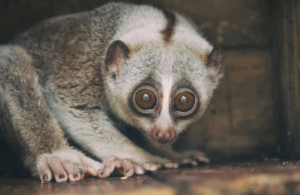
Slow Loris
Another very cute but dangerous mammal on this list is the slow loris. They’re arboreal (tree dwelling) primates found in Southern Asia. Unfortunately, they have been victims of the exotic pet trade, as well as “props” for tourist photos. One big reason not to engage with this animal though is the threat they pose as a venomous animal. Their venom is strong enough to cause anaphylaxis.
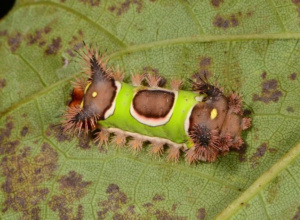
Caterpillars
While most caterpillars are harmless, there are some that can be poisonous. There are several caterpillars with spines along their bodies that can deliver a nasty sting, such as puss caterpillars or saddleback caterpillars. It’s always best to avoid picking up critters you aren’t 100% sure of.
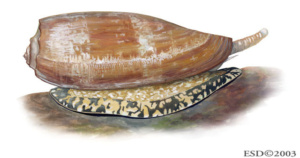
Cone Snails
Hidden in shallow tropical waters, there are beautiful shells hiding dangerous predators called cone snails. There are about 700 different types of cone snails, and they’re all venomous. They have a harpoon-shaped tooth that they use to inject venom into unsuspecting fish and worms. While fatalities from their venom are pretty rare, they’re still incredibly dangerous, and a couple species could kill a human with one prick. Always err on the side of caution, and avoid picking things up from the ocean floor.
Avoid encounters with animals, as they might not always be as safe as one might think!
Sources
https://www.ifaw.org/animals/bisons#faqs
https://catalinaconservancy.org/wp-content/uploads/2023/01/Bison-General-Safety-for-Web.pdf
https://www.mbl.edu/news/why-blue-ringed-octopus-so-deadly-live-science
https://www.seaottersavvy.org/viewing-guidelines
https://pmc.ncbi.nlm.nih.gov/articles/PMC8502664/
https://www.ifaw.org/animals/slow-lorises
https://entomology.mgcafe.uky.edu/ef003
https://carnegiemnh.org/cone-snails-another-thing-to-fear-in-case/
https://animaldiversity.org/accounts/Conus/
*Published by Sara Edwards on 12/13/2025*