When thinking about the animals that share our world with us, many of us make a clear distinction between wild animals and domesticated animals. Some humans have tried to blur that line by attempting to keep a wild animal as a pet. At Turpentine Creek Wildlife Refuge, we care for many wild animals that have suffered the resulting consequences of their mistakes. There is also an inverse problem that often goes unnoticed. What about the animals who were successfully domesticated, but have now been introduced into the wild?
Wild or Feral?
Wild animals live in nature and are untamed. They survive without human intervention and do not rely on humans for their needs. Many wild animals are native to their regions. These animals fill a particular niche within their ecosystem, and they are important to protect and conserve. Feral animals are descendants of domesticated animals that have been introduced into nature and forced to survive without relying on humans. Oftentimes, feral animals are non-native to the area in which they live, and they can easily begin to harm the ecosystems, becoming invasive. Invasive animals out compete native animals for resources, therefore decreasing populations and biodiversity across the entire ecosystem.
Pigeons
Rock Doves, or city pigeons, are often thought of as pests, but in reality, they used to be pets. There are native pigeons in North America such as the Mourning Dove. Their cousin the Rock Dove is native to Eurasia and Northern Africa. These birds were domesticated by humans between 3,000 and 10,000 years ago. Rock Doves have excellent homing abilities, and they were often used as messengers. However, as technology advanced, and communication became easier, pigeons were discarded by humans. As domesticated animals, they still needed humans to survive. This is why pigeons flocked to metropolitan areas, and their descendants are still eating food scraps from city streets and nesting in urban buildings. Rock Doves are considered invasive, but because they mostly live in cities, their populations have little effect on ecosystems.
Hogs
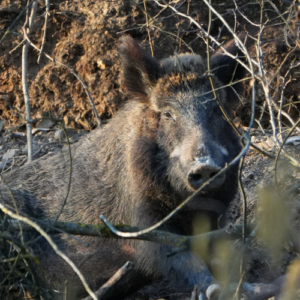
Hogs are native to Eurasia, but were brought to the Americas in the 1500s as a food source. Many believe that some of these domesticated farm animals escaped their farms or were intentionally released into the wild where they began to reproduce. Today there are an estimated six million feral hogs in the United States across 35 states. These animals destroy agricultural lands and ruin crop yields. They also wallow and rut in wetlands. This pulls up vegetation, releasing sediment that diminishes water quality and negatively impacts aquatic life.
Cats
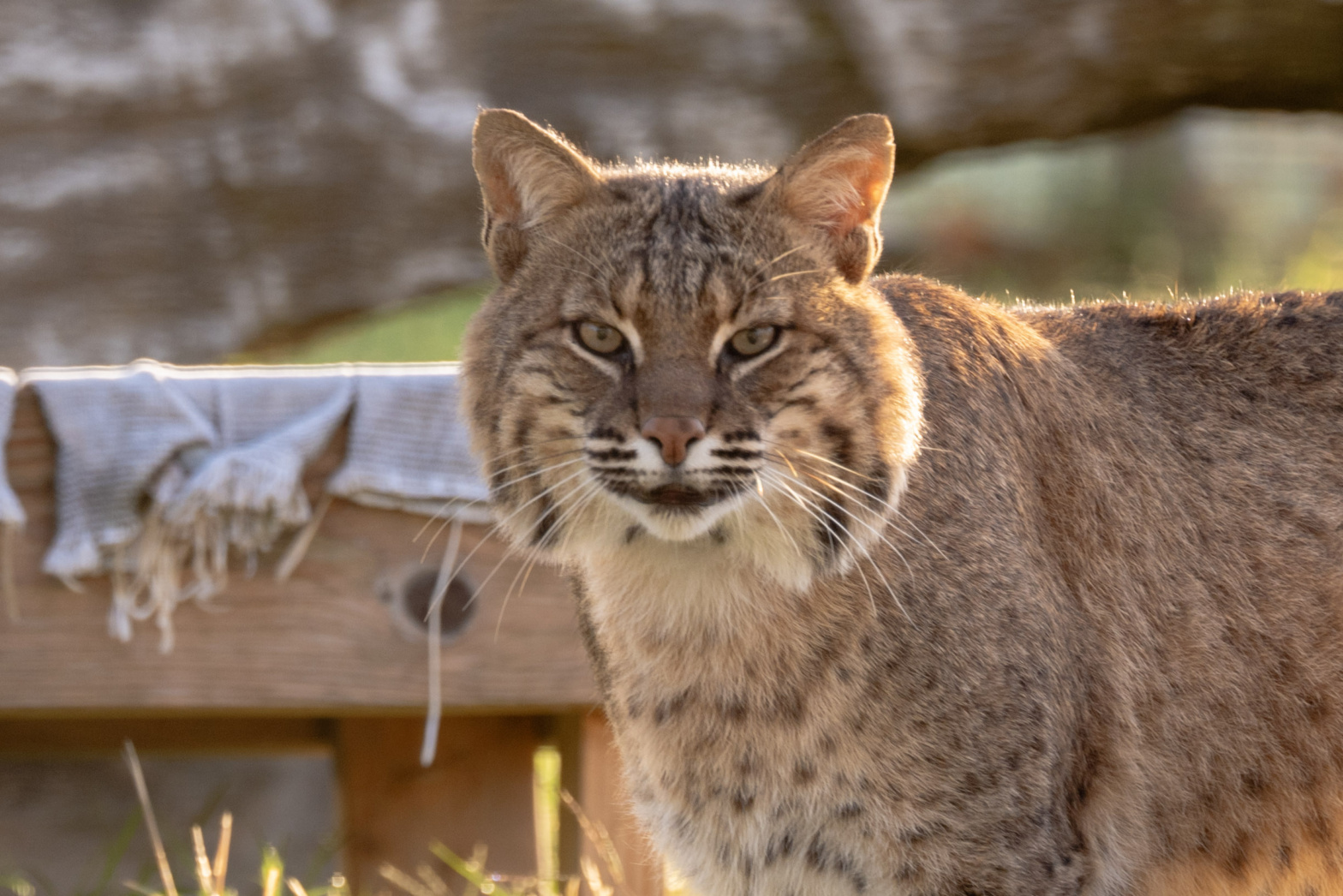
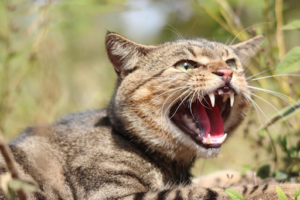
Domestic cats that are not kept in a home can become detrimental to the balance of an ecosystem. Whether a well-fed house cat that is allowed to go outside, or a feral cat that has never had human contact, domesticated cats will hunt small prey out of instinct. Feral cats have become a huge problem in many countries, but particularly in Australia. It is estimated that the feral cat population in Australia kills approximately 75 million native animals every night. In the United States, there are between 30 and 80 million unowned cats. These animals wreak havoc on bird, rodent, and reptile populations. Feral cats do not often become re-habituated to human care. Spaying and Neutering feral cats can diminish their impact, but other countries have taken to trapping and euthanizing these animals to protect native wildlife.
Conclusion
Humans impact the natural world through every interaction. Whether we are removing invasive species or introducing new species, the ecosystem feels the resulting effects. The presence of feral animals reminds us that humans carry a responsibility to the animals that we choose to have as companions or livestock. Furthermore, feral animals show us the necessity to protect wild animals who deserve to live and thrive in their rightful home in nature.
Sources
- https://www.allaboutbirds.org/guide/Mourning_Dove/species-compare/
- https://www.audubon.org/field-guide/bird/rock-pigeon
- https://pmc.ncbi.nlm.nih.gov/articles/PMC10667084/
- https://www.invasivespeciesinfo.gov/terrestrial/vertebrates/wild-boar
- https://harcresearch.org/news/going-hog-wild-tackling-texas-feral-hog-crisis-with-statewide-solutions/?gad_source=1&gad_campaignid=22037244157&gbraid=0AAAAACg5UaRL9fQ41j7rO16EXRJaFO54v&gclid=CjwKCAiAnoXNBhAZEiwAnItcG_0ObzJbsW-qHEtrtpJQjcwPpdDGWDpS0ifVTkPUZVY1kiyWI3YsHhoCprEQAvD_BwE
- https://www.aphis.usda.gov/sites/default/files/free-ranging-and-feral-cats.pdf
- https://www.peta.org.au/campaigns/wildlife/feral-cats/?gad_source=1&gad_campaignid=1391806022&gbraid=0AAAAADHOEgmb-yZ5Mf8oacTvzUfBhObzL&gclid=CjwKCAiAnoXNBhAZEiwAnItcGzgOt1ymsozxTIccoYMUxOOXNjJo4_Qn_KXlrPmi6X25ZpZCaIJtVRoCrgcQAvD_BwE
*Published by Mack Polk on 02/28/2026*