Scavengers are often viewed as dirty, gross, opportunistic creatures. However, the ecological role they serve is vital. Let’s discuss what scavengers are, their ecological role, as well as two scavengers you are likely familiar with and one you might not be.
What are Scavengers?
Scavengers are organisms that eat decomposing plant or animal matter. For the purpose of this article, we will be discussing scavengers that eat decomposing animal matter. Decaying animal matter is called carrion. So, rather than hunting for food, the organism scavenges dead animals and/or plants for food. A scavenger scavenges – who knew, right?
There are two types of animal scavengers: obligate and facultative scavengers. An obligate scavenger’s main food source is carrion. Vultures are the only vertebrate obligate scavengers. They evolved to eat the leftovers from predators’ meals. A facultative scavenger is also known as an opportunistic scavenger. These scavengers both hunt for their food, but aren’t opposed to scavenging when it suits them.
Scavengers’ Ecological Role
Scavengers help to clean up carcasses of animals that have died, rather than allowing them to sit around and rot. If left to do so, these carcasses will harbor all sorts of nasty bacteria and disease that can be passed on to other animals in the ecosystem. Scavengers help to keep animals safe from illnesses that would quickly overtake a population. In order for scavengers to be able to do this, they have specialized systems to eat rotting meat. Their digestive systems are able to kill off the dangerous bacteria,
and their immune systems help to keep them healthy. Without scavengers, wildlife populations would be a lot sicker, and this illness could eventually bleed into the human population as well. We have a lot to thank scavengers for.
Two Scavengers You’ve Heard Of
Vultures
Vultures are one of the most well known scavengers. They are the large birds you see on the side of the highway picking at roadkill. There are 23 species of vultures in existence today, many of which are critically endangered, endangered, and threatened. Being the only vertebrate obligate scavengers, it is vital we protect their populations in order to maintain balance in the ecosystem. There are three vulture species native to the United States: turkey vulture, black vulture, and California condor. At Turpentine Creek Wildlife Refuge, you’ll often see black vultures and turkey vultures soaring above.
Spotted Hyenas
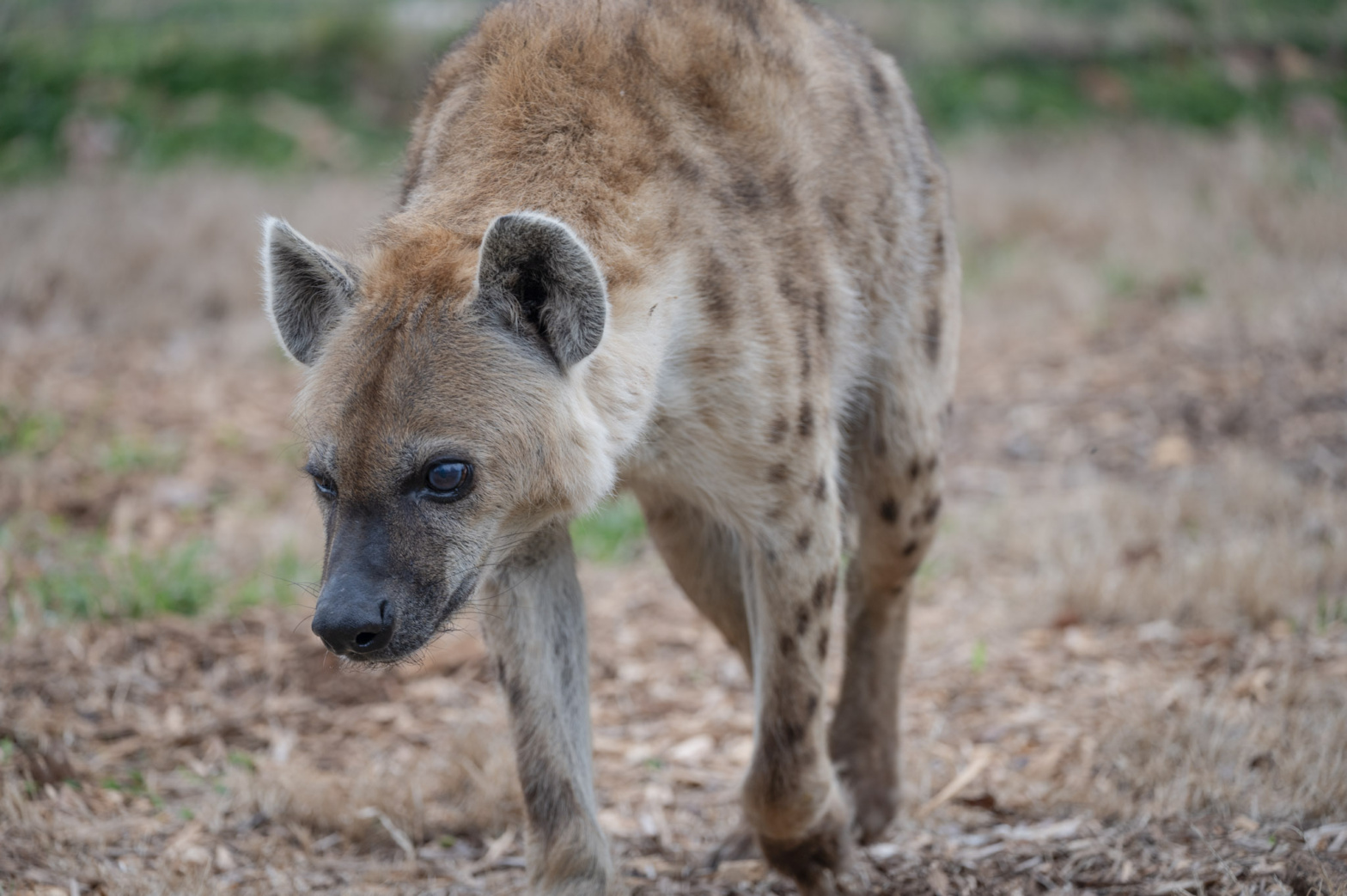
Spotted hyenas are facultative scavengers native to Africa. They are excellent predators but are also known to scavenge. They are able to break down carcasses, helping to recycle them back into the ecosystem. Hyenas are even able to digest bone! Turpentine Creek Wildlife Refuge is home to one spotted hyena, Rambo.
A Scavenger You Haven’t Heard Of
Wolverines
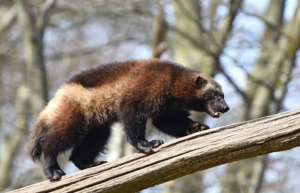
Not to be confused with the fictional superhero known as Wolverine, wolverines are a relative of weasels and minks that are native to several regions in the Northern hemisphere. Wolverines are elusive, opportunistic feeders that eat nearly anything. They hunt, but also scavenge, which makes them facultative scavengers. Throughout the winter, most of their diet comes from scavenging. Wolverines have strong jaws and are able to crush bone. Fun fact: The wolverine’s scientific name is Gulo gulo, which means ‘glutton’ in Latin. This is in reference to the wolverines’ appetite!
There are an incredible number of scavengers out in the world and they deserve recognition for the good they do for the ecosystem, keeping disease and carcasses at bay. If you would like to see Turpentine Creek Wildlife Refuge’s resident scavenger, you can book a VIP tour of the refuge and see Rambo the spotted hyena!
Sources
https://education.nationalgeographic.org/resource/scavenger/
https://education.nationalgeographic.org/resource/role-scavengers-carcass-crunching/
https://www.ifaw.org/animals/hyenas
https://sandiegozoowildlifealliance.org/story-hub/2020/08/25/vultures-gastronic-marvel
https://www.worldwildlife.org/resources/facts/vultures-natures-influencers/
https://www.ventanaws.org/vulturesoftheworld.html
https://www.adfg.alaska.gov/index.cfm?adfg=wolverine.printerfriendly
https://www.britannica.com/animal/wolverine
*Published by Danika Torgersen on 03/14/2026*